
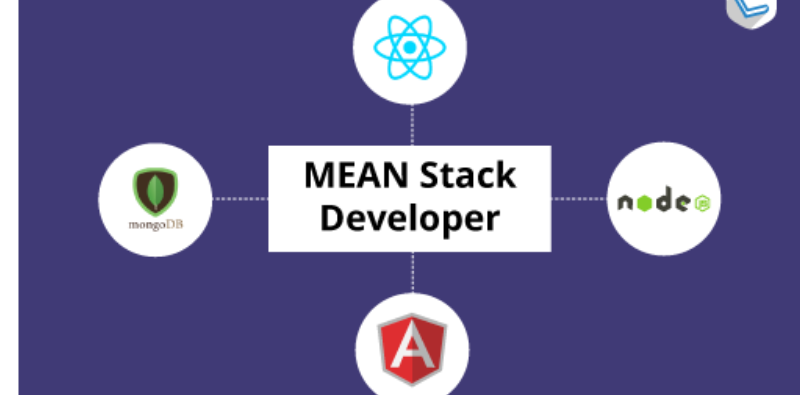
The MEAN stack is a robust full-stack JavaScript framework that comprises four important comprises four core technologies: MongoDB (a NoSQL database), Express.js (a web application framework), Angular (a frontend framework), and Node. These technologies work together to help developers create quick, scalable, and modern. Online apps that use JavaScript throughout the development process. Understanding the MEAN stack can be useful for sales professionals.
This knowledge helps improve communication with technical teams, provides a better understanding. Of client requirements, and allows salespeople to offer software solutions more effectively. Whether you’re new to technology or looking to expand your knowledge. This lesson will guide you through the MEAN stack, from fundamental concepts to advanced topics. FITA Academy supports this process by providing expert-led training that equips salespeople with vital MEAN stack developer skills and bridges the sales-technology gap.
Start your MEAN Application Preparation
Before deploying your MEAN stack application, make sure it is production-ready. This involves cleaning up your code by removing unnecessary files, comments, and debugging lines that were useful during development but may now hinder your app in production. Sales professionals who learn these phases gain clearer insights into the behind-the-scenes effort required to provide a polished product, allowing them to successfully convey progress and timelines to clients and stakeholders.
We can start to optimize the Angular frontend using commands such as “ng build –prod,”. Which compiles and minifies your frontend code for faster load times and better performance. Meanwhile, the backend server must be configured to execute requests effectively with Express.js and Node.js, including correct middleware and error handling. Maintain your MongoDB connection string in production to guarantee that your application connects securely to the correct database instance. Students interested in learning MEAN stack can enroll in the MEAN Stack Course in Chennai, which provides a perfect foundation.
Make the right choice of hosting
It is now time to select the best hosting environment for your MEAN stack application. Which is an important step in the deployment process. Many developers begin with cloud platforms such as AWS, Azure, or Google Cloud because they provide good scalability, solid security, and a wide range of services to help their apps scale. These platforms enable you to tailor your infrastructure as your needs change.
Understanding these options enables salespeople to recommend hosting solutions aligned with clients’ budgets, technical needs, and growth goals. This information enables more effective communication regarding deployment options, matching client expectations with actual alternatives, and guaranteeing a smoother project delivery.
Begin to code and create a script.
In this step, we can start to code the application, which will help to create the frontend and backend of the application to run. These steps are important for anyone aiming to become a MEAN developer. To deploy a MEAN stack application, first send your code to a version control system, such as GitHub, GitLab, or Bitbucket. These systems provide a dependable method for managing code changes, collaborating with others, and integrating with deployment pipelines. Ensure that your repository has both your backend Node.js code and the Angular frontend build files, which are typically located in the dist folder after running your production build.
Next, double-check your ‘package.json’ file to confirm that it contains the proper build and start scripts. To launch your server, use a start script such as “start”: “node server.js”.” Configure build scripts for operations such as transpiling and packaging. Well-defined scripts simplify the deployment process and reduce errors during setup. By learning MEAN stack technologies at a reputed Training Institute in Chennai, students can deepen their expertise.
Design both ends of the MEAN application
Next, the process of pushing and configuring your code begins. Here, we can start to launch your Node.js backend server by using the hosting provider’s CLI or web dashboard. We can utilize multiple platforms through deployment workflows to deploy your app, configure environment variables, and manage scaling. Be sure to configure environment variables to securely store your database URL and API keys without exposing them in your code.
To get your Angular frontend online, configure your Express backend to serve static files generated during the Angular production build. This requires connecting Express to the Angular distribution directory and properly routing requests to the frontend. Serving the frontend and backend from the same server makes deployment easier and eliminates CORS problems. After deployment, test your live app to ensure that the backend API works correctly and that the frontend loads successfully.
Test, Monitor, and Maintain Your Application
Now we move to the process of testing. The final stage, testing, is an important step in the application development process. Access your live application URL and verify that all features function as expected, from user interactions to backend API responses. This guarantees that no defects or deployment issues are ignored. Testing also involves running the app on various devices and browsers to ensure consistent performance and responsiveness across different platforms.
In the following process of testing your application. It is essential to see the performance and behavior of the application. Most hosting platforms offer built-in log monitoring, but you can also integrate tools like LogRocket or Sentry for deeper insights. As we have started with connecting your Git repository to your host, it enables continuous deployment, automatically updating your app with each push. Monitor performance and scale resources as user demand increases.
Final Thoughts
In this blog, we have seen the whole process of deploying your first MEAN stack application and the advantages of the MEAN. This is a significant milestone that marks the transition from development to delivering real value to users. By taking the best effort to properly prepare your app, including creating a production-ready Angular frontend, protecting backend environment variables, and integrating the two, you lay the groundwork for a smooth release. Choosing the correct hosting platform for your app’s needs simplifies the process even further, ensuring that your backend and frontend work smoothly in production. Following deployment best practices not only simplifies the launch process but also decreases the likelihood of experiencing frequent hazards that might interrupt the user experience.
Once the application is deployed and goes live, your journey doesn’t stop here. We will conduct an initial test at the start stage, utilizing tools to monitor technologies that provide essential insights into app performance and errors in real-time, as part of our scalability planning. First, we must ensure the application can handle high traffic while maintaining speed and reliability.